Giraffe: A Playful and Stylish Font with a Youthful Spirit
Fonts are more than just letters on a page—they're the silent communicators of your brand's personality, message, and style. Among the many options available, Giraffe stands out as a unique blend of playfulness and professionalism. Designed to bridge the gap between casual creativity and polished presentation, Giraffe is a versatile font that can elevate a wide range of design projects. Whether you're crafting a logo, designing a website, or creating social media content, understanding how to use Giraffe effectively can make all the difference in how your message is received.
What Is Giraffe and Why It Matters
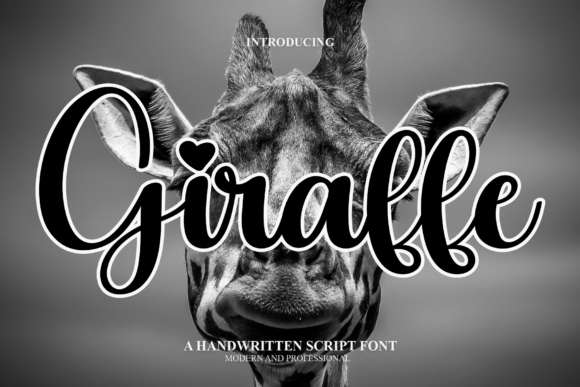
Giraffe is a modern sans-serif font known for its clean lines, subtle curves, and youthful energy. Its name is a nod to the long, elegant neck of the animal, which mirrors the font’s extended ascenders and descenders. This gives it a distinctive look that feels both approachable and sophisticated. The font is particularly well-suited for designs that aim to convey a sense of fun, innovation, or freshness without sacrificing readability or professionalism.
Many designers and creators are drawn to Giraffe because of its adaptability. It works equally well in digital and print formats and maintains clarity even at smaller sizes. This makes it ideal for everything from business cards to large-scale signage. However, like any design tool, using Giraffe effectively requires an understanding of its strengths and limitations.
Common Mistakes When Using Giraffe
While Giraffe is a powerful font, there are several common pitfalls that can undermine its effectiveness. One of the most frequent mistakes is using it inappropriately for certain types of content. For example, while Giraffe can be great for headlines or creative elements, it may not be the best choice for dense blocks of text, such as legal documents or lengthy articles. In these cases, the font’s playful nature can make the text feel less serious or harder to read over time.
Another mistake is pairing Giraffe with fonts that clash in style or weight. Since Giraffe has a relatively light and open structure, it pairs best with other clean, modern fonts that complement its tone. Choosing a bold or overly decorative font to pair with Giraffe can create visual noise and distract from the message being communicated.
A third common issue is not considering the context in which Giraffe will be used. For instance, if you’re designing a brand identity for a luxury product, Giraffe might not be the best fit unless it’s paired with other elements that reinforce the desired tone. On the other hand, for a startup or a creative agency, Giraffe could be an excellent way to convey a fresh, innovative image.
How These Mistakes Can Affect Your Design
Misusing Giraffe can lead to a variety of issues, from poor readability to inconsistent branding. If the font doesn’t align with the intended message or audience, it can confuse viewers or dilute the impact of your design. Additionally, incorrect font pairings can create a disjointed look, making your project appear unprofessional or hastily put together.
In terms of usability, choosing the wrong font size or spacing can also affect how Giraffe is perceived. Too small, and it becomes difficult to read; too large, and it can overwhelm the layout. Proper spacing and hierarchy are essential when using Giraffe to ensure that it enhances rather than detracts from the overall design.
Practical Advice for Using Giraffe Effectively
To avoid these common pitfalls, start by clearly defining the purpose of your design. Ask yourself: What message do I want to convey? Who is my audience? Once you have answers, you can determine whether Giraffe is the right fit. If your goal is to create a friendly, approachable brand, Giraffe is likely a great choice. If your project requires a more formal or traditional look, you may need to explore other options.
When selecting complementary fonts, look for ones that share similar characteristics—such as clean lines or minimal ornamentation—to maintain visual harmony. Tools like Adobe Fonts or Google Fonts offer extensive libraries where you can experiment with different combinations before finalizing your design.
Also, pay attention to typography best practices, such as ensuring proper line spacing, letter spacing, and contrast. These details can significantly impact the readability and aesthetics of your design. Testing your layout on different devices and screen sizes is also crucial, especially if your project will be viewed online.
Realistic Examples and Better Approaches
Imagine you're designing a marketing poster for a new coffee shop. You decide to use Giraffe for the headline "Welcome to Brew Haven" and pair it with a serif font for the body text. This combination creates a nice balance between playfulness and tradition, reinforcing the idea of a cozy yet modern café. However, if you had chosen a highly stylized script font instead, it might have made the text feel too chaotic or hard to read.
On the other hand, if you're designing a business card for a law firm, Giraffe might not be the best choice. While it’s still a professional-looking font, its youthful vibe could conflict with the expected seriousness of a legal brand. In this case, a more traditional serif font would be a better match.
Always test your design in different contexts. Print vs. digital, light vs. dark backgrounds, and varying screen resolutions can all affect how your font appears. Making adjustments based on these factors ensures that your design looks consistent and impactful across all platforms.
What to Check Before Using Giraffe
Before committing to Giraffe for your next project, take a moment to evaluate a few key factors. First, check the licensing agreement to ensure that you have the right to use the font for your intended purpose. Some fonts come with restrictions, especially regarding commercial use or redistribution.
Next, consider the technical aspects of the font itself. Does it support the languages and characters you need? Are there any special glyphs or symbols that you require for your design? Ensuring that the font meets your specific needs can save you time and prevent potential issues later on.
Finally, review your overall design strategy. Does Giraffe align with your brand’s identity and goals? Will it help you stand out in a crowded market, or will it blend in too much? Answering these questions thoughtfully can guide you toward a more effective and satisfying design outcome.
By avoiding common mistakes and making informed choices, you can harness the full potential of Giraffe and create designs that resonate with your audience. Remember, the right font isn’t just about looking good—it’s about communicating your message clearly and effectively.