Dinamica: A Versatile Script Font for Creative and Professional Projects
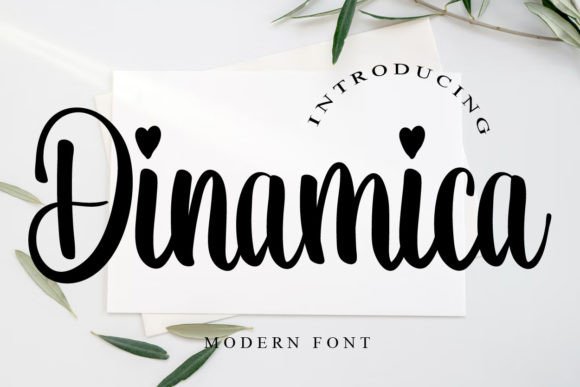
Dinamica is a fresh and relaxed script font that brings a sense of elegance and personalization to any design project. Designed with fluidity and charm in mind, it's ideal for a wide range of applications, from digital content creation to print-based materials. Whether you're crafting a YouTube banner, designing a logo, or preparing wedding invitations, Dinamica offers a unique touch that can elevate your work. Its versatility makes it a valuable asset in both creative and professional workflows.
Understanding the Role of Dinamica in Design Workflows
Fonts play a crucial role in visual communication, and Dinamica stands out for its ability to add warmth and character to text. Unlike more formal or rigid typefaces, Dinamica has a relaxed, handwritten feel that can make text more approachable and engaging. This makes it especially useful for projects where a personal or artistic flair is desired.
In a design workflow, Dinamica can be used at various stages. During the initial concept phase, it can help set the tone and mood of a project. For example, when creating a YouTube banner, using Dinamica can immediately convey a friendly and inviting atmosphere. In branding projects, it can be used to create logos or taglines that feel more human and less corporate.
Using Dinamica in Pre-Production Planning
Before starting a design project, it's important to consider the typography that will be used. Dinamica can be part of this planning process by helping define the visual identity of a brand or campaign. When selecting fonts, designers often look for ones that align with the brand’s personality and target audience. Dinamica fits well with brands that aim to appear friendly, creative, or artisanal.
During this pre-production stage, it's also helpful to test how Dinamica interacts with other design elements such as colors, images, and layouts. For instance, pairing Dinamica with a minimalist layout can create a balanced and aesthetically pleasing composition. It's important to ensure that the font remains legible even when used in smaller sizes or in combination with other text styles.
Integrating Dinamica into Your Workflow
Once the planning phase is complete, Dinamica can be integrated into the actual design process. Many graphic design tools, such as Adobe Photoshop, Illustrator, and Canva, support custom fonts like Dinamica. These platforms allow users to easily apply the font to text layers, adjust spacing, and experiment with different styles.
For those working on digital content, such as social media posts or website headers, Dinamica can be used to create eye-catching headlines or call-to-action buttons. Its soft curves and flowing lines make it particularly effective for headings that need to stand out without being too bold or overwhelming.
Practical Implementation Tips
- Test Readability: Always check how Dinamica looks at different sizes and distances. While it may look beautiful in a large format, it might not be suitable for small text in a busy layout.
- Pair with Complementary Fonts: Use Dinamica as a headline font and pair it with a sans-serif font for body text. This contrast helps maintain readability while adding visual interest.
- Consider Color Contrast: Ensure that the color of the text in Dinamica provides enough contrast against the background. Darker colors on light backgrounds or vice versa can enhance legibility.
Applications of Dinamica Across Different Industries
Dinamica’s versatility allows it to be used across various industries and purposes. From marketing and advertising to event planning and personal branding, this font can adapt to different needs and contexts.
In the world of digital content creation, Dinamica is commonly used for YouTube banners, thumbnails, and channel art. Its organic feel helps attract viewers and creates a sense of authenticity. For entrepreneurs and small business owners, Dinamica can be used in logos, packaging, and promotional materials to create a cohesive brand image.
Wedding planners and event designers often use Dinamica for invitations, place cards, and thank-you notes. The font’s elegant yet approachable style makes it perfect for special occasions. Similarly, educators and bloggers can use Dinamica in presentations, blog headers, or educational materials to make their content more visually appealing and engaging.
Workflow Examples for Different Use Cases
When designing a YouTube banner, start by selecting a high-quality image or background that reflects the channel’s theme. Then, use Dinamica for the main title or tagline. Adjust the font size and spacing to ensure it's readable and visually balanced. Finally, add any additional text elements, such as a subtitle or channel name, using a complementary font.
For wedding invitations, begin by choosing a color scheme that matches the wedding theme. Apply Dinamica to the main message or names, ensuring that the text flows naturally and is easy to read. Add decorative elements or illustrations that complement the font’s style, and review the final design for clarity and aesthetics.
Long-Term Use and Maintenance of Dinamica
While Dinamica is a single font, its effectiveness depends on how it's used over time. Consistency in design is key to building a strong brand or visual identity. If Dinamica is used across multiple projects, it's important to maintain a consistent style, including font size, spacing, and color choices.
Regularly reviewing and updating designs that use Dinamica can help ensure they remain relevant and visually appealing. As trends evolve, so should the way fonts are used. However, because Dinamica has a timeless and classic feel, it can remain a staple in many design repertoires for years to come.
Additionally, staying updated with new design tools and platforms that support Dinamica can help streamline the creative process. Many online design platforms now offer built-in font libraries, making it easier than ever to access and use Dinamica in real-time.
Ensuring Compatibility and Usability
Before using Dinamica in a project, it's important to verify that it's compatible with the design software or platform you're using. Most modern design tools support a wide range of fonts, but it's always a good idea to check the font's specifications and licensing terms.
For web-based projects, ensure that Dinamica is properly embedded or linked to the website. Some fonts may require additional setup to ensure they display correctly across different devices and browsers. Using web-safe fonts or embedding them via Google Fonts or similar services can help avoid compatibility issues.
Finally, maintaining an organized library of fonts, including Dinamica, can help improve efficiency in long-term projects. Categorizing fonts by style, use case, or industry can make it easier to find the right font for each task.
Dinamica is more than just a font—it's a tool that can enhance the visual impact of your work. Whether you're a designer, marketer, educator, or hobbyist, integrating Dinamica into your workflow can help you create more engaging and personalized content. By understanding how to use it effectively and consistently, you can take full advantage of its unique qualities and bring a fresh, relaxed aesthetic to your projects.